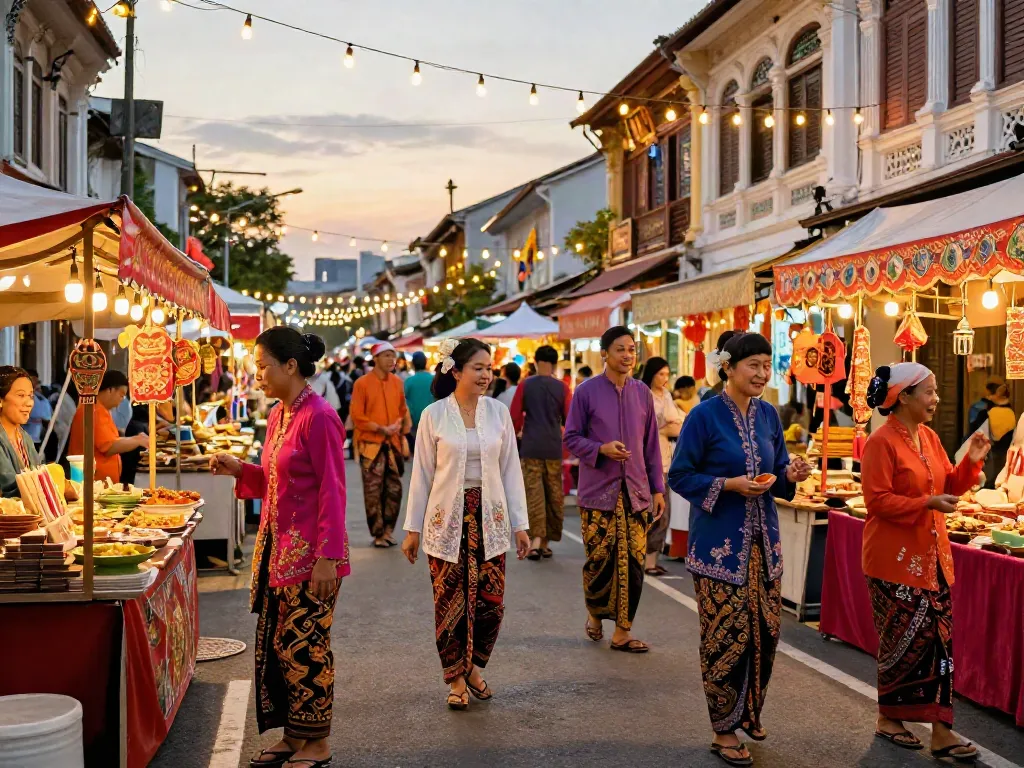
Understanding Nyonya4D: Cultural Significance
Nyonya4D represents not just a culinary experience but a vibrant expression of a culture rich in history, tradition, and community. A blend of Chinese and Malay elements, this culture, known for its intricate crafts and flavorful cuisine, offers a unique perspective into the lives of the Peranakan people. When exploring options, nyonya4d provides comprehensive insights into this fascinating world. Let’s dive into the essence of Nyonya4D, its historical roots, and its significance in modern society.
What is Nyonya4D?
Nyonya4D encapsulates the cultural and culinary identity of the Peranakan community, particularly those in Malaysia and Singapore. The term “Nyonya” refers to the women of this community, while “4D” symbolizes the four dimensions of their rich culture: cuisine, fashion, crafts, and celebrations. This cultural identity is an amalgamation of Malay and Chinese traditions, which has resulted in distinct practices and artistry that are celebrated widely.
The Historical Roots of Nyonya Culture
The roots of Nyonya culture can be traced back to the 15th century when Chinese immigrants settled in Southeast Asia, marrying local Malay women. This intermingling gave rise to the Peranakan culture, characterized by a unique blend of languages, customs, and cuisines. The Nyonya lifestyle evolved over generations, adapting and incorporating various influences while retaining core aspects of both heritage styles.
Importance of Traditions in Modern Context
In today’s fast-paced world, the traditions of Nyonya4D serve as a reminder of the value of heritage and community. The practices, festivals, and crafts are not just relics of the past; they are actively embraced by younger generations, who seek to preserve their unique identity. This cultural revival fosters a sense of belonging and understanding of their roots, enriching both individual lives and the community as a whole.
Key Elements of Nyonya4D Cuisine
The culinary aspect of Nyonya4D is perhaps the most accessible and celebrated. It's known for its intricate flavors and colorful presentations, offering a delightful experience for all who partake. Understanding the key ingredients and cooking techniques is essential for both appreciating and recreating these traditional dishes.
Common Ingredients Used in Nyonya Dishes
- Pandan Leaves: Often used for their aromatic qualities, pandan leaves are a staple in many Nyonya desserts.
- Coconut Milk: This rich ingredient adds creaminess to curries and desserts.
- Lemongrass: A key flavoring agent in many dishes, contributing a citrusy aroma.
- Chili Peppers: A must-have for adding heat to savory dishes and sambals.
- Spices: Such as turmeric, galangal, and shrimp paste, which create the complex flavors Nyonya cuisine is known for.
Popular Nyonya Recipes to Try
Some beloved Nyonya dishes that capture the essence of the cuisine include:
- Nasi Kandar: A mixed rice dish, served with various curries and side dishes.
- Ayam Buah Keluak: Chicken cooked with the unique black nuts of the kepayang tree, creating a rich and savory flavor.
- Chendol: A refreshing dessert made with green jelly, coconut milk, and palm sugar syrup.
Cooking Techniques Unique to Nyonya Cuisine
Nyonya cooking combines both Chinese and Malay techniques, often focusing on the use of mortar and pestle to make spice pastes, known as rempah. Additionally, slow cooking methods are favored to enhance flavor development, allowing the ingredients to meld together beautifully. Understanding these techniques is crucial for anyone looking to authentically recreate Nyonya dishes.
Embracing Nyonya Fashion and Crafts
Fashion and crafts are other vital facets of Nyonya culture, showcasing exquisite artistry that reflects their unique identity. From intricate beading to vibrant textiles, the Nyonya aesthetic is both beautiful and meaningful.
Understanding Traditional Peranakan Attire
The traditional attire of the Nyonyas, known as baju kebaya, is characterized by its fitted design and delicate embroidery. It is often paired with a batik sarong, showcasing intricate patterns that tell stories of their heritage. This attire is not only worn during special occasions but is also a daily expression of cultural pride.
Craftsmanship in Nyonya Beadwork
Nyonya beadwork is renowned for its complexity and artistry. Skilled artisans create stunning beaded shoes and accessories, often using elaborate floral patterns. This craft has been passed down through generations and remains highly regarded today.
Modern Interpretations of Classic Designs
Contemporary designers are now reinterpreting traditional Nyonya designs, infusing modern fashion with historical elements. This fusion not only keeps the culture alive but also broadens its appeal, attracting a diverse audience and inspiring new creators.
Participating in Nyonya4D Celebrations
Cultural celebrations are pivotal in maintaining the vibrancy of Nyonya4D culture, offering a stage for community engagement and heritage expression. Festivals provide opportunities to showcase culinary practices, traditional attire, and cherished customs.
Festivals and Events to Experience
Participating in events like the Peranakan Festival or Hari Raya allows individuals to witness the richness of Nyonya culture first-hand. These gatherings often feature food stalls, fashion shows, and cultural performances that bring the community together.
How to Keep Traditions Alive Today
Keeping traditions alive requires active participation. Engaging in workshops, cooking classes, and community events can help individuals connect with their roots and pass on knowledge to future generations. It ensures that the Nyonya heritage continues to flourish amid modern influences.
Role of Community in Nyonya4D Culture
The sense of community among the Peranakan people is a cornerstone of Nyonya4D culture. Collective celebrations, shared meals, and collaborative crafting sessions fortify bonds within the community and cultivate a supportive environment for preserving their rich traditions.
Future Trends in Nyonya4D Culture
The future of Nyonya4D culture appears promising, with a resurgence of interest among younger generations looking to reconnect with their heritage. This revival is not only notable in culinary practices but also in fashion, craft, and community engagement.
A Contemporary Take on Traditional Practices
Modern adaptations of traditional practices are becoming more common. For instance, younger chefs are experimenting with traditional Nyonya recipes, incorporating global flavors while preserving the authentic essence that makes them special. This trend reflects a broader acceptance of fusion cuisine while honoring heritage.
Global Influence of Nyonya4D
The influence of Nyonya culture is extending beyond Southeast Asia, thanks to globalization. Worldwide interest in diverse culinary experiences has led to Nyonya dishes being featured in international food festivals and restaurants, creating a global appreciation for this unique cuisine.
Preserving Heritage for Future Generations
As Nyonya4D culture adapts to modernity, preserving its heritage remains crucial. This can be achieved through education, storytelling, and community-led initiatives that highlight the significance of their past while embracing the future.
What are the Key Resources for Beginners?
For individuals looking to delve into the world of Nyonya4D, resources such as cookbooks, online courses, and local workshops offer a wealth of information. Traditional Nyonya cookbooks are particularly valuable, as they provide authentic recipes and cultural context.
How Can I Get Involved in Nyonya4D Activities?
Getting involved can be as simple as participating in local cultural events, visiting community centers, or joining online forums dedicated to Nyonya culture. Engaging with community members will enrich your understanding and appreciation of this vibrant heritage.
What are the Best Ways to Learn Nyonya Cooking?
Learning Nyonya cooking can be both enjoyable and rewarding. Consider enrolling in cooking classes that focus on traditional methods, watching online tutorials, or collaborating with family members who practice these culinary arts. Hands-on experience in a communal setting can also provide valuable insights into the culture.